Bulletin Briefs
In this area you will find excerpts from previous Bulletins. Bulletins are mailed three times a year to members—one of the perks of membership in the Halifax County Historical Society.
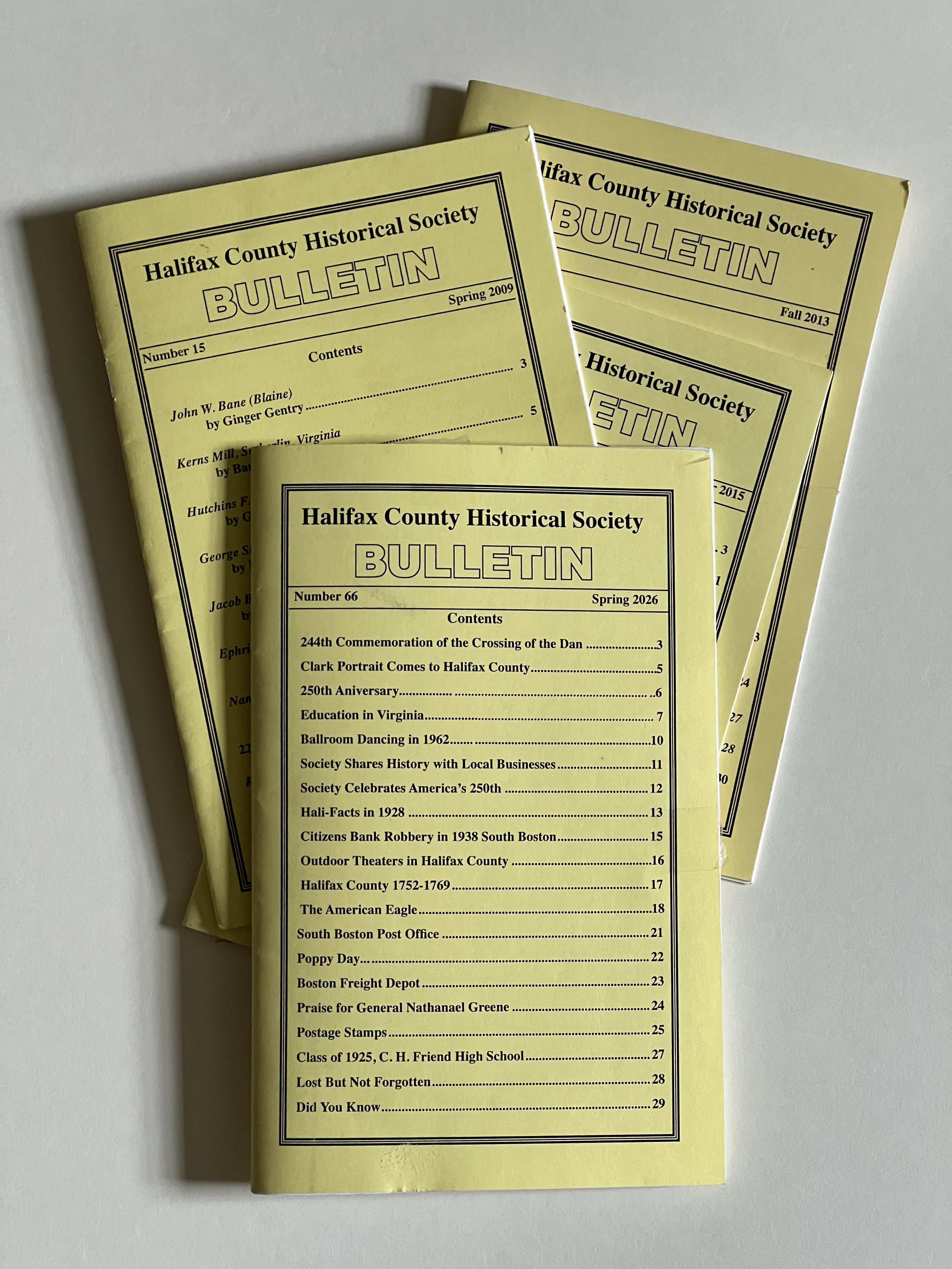
A Society Benefit—Do you get the Bulletin? If not, you are missing out on articles about Halifax County, old photographs and scores of historical facts about our local community. If you’d like to receive a copy of the Bulletin three times a year, join the Halifax County Historical Society (go to “About the Society” and click on “Join or Donate”). The publication is edited by Society member Barbara Bass. Contributed articles are welcomed.
South Boston Post Offices — multiple sites
(This information was taken from Spring 2026 issue of the
Halifax County Historical Society Bulletin.)
Virginia state records list a post office being located on the south side of the Dan River in 1832. It served approximately 400 patrons but was discontinued in late 1838. Later a post office was located north of the Dan River, “one-quarter mile from the Dan,” between Arch and Charles streets. The town at that time was known as South Boston Depot. The name of the area changed from South Boston Depot to “South Boston” on February 4, 1884, fifteen days after the town was incorporated by the General Assembly. At that time, a post office was located in the E. B. Jeffress store and after 1884, it was moved to south of what is now Brooks/Lyons Funeral Home.
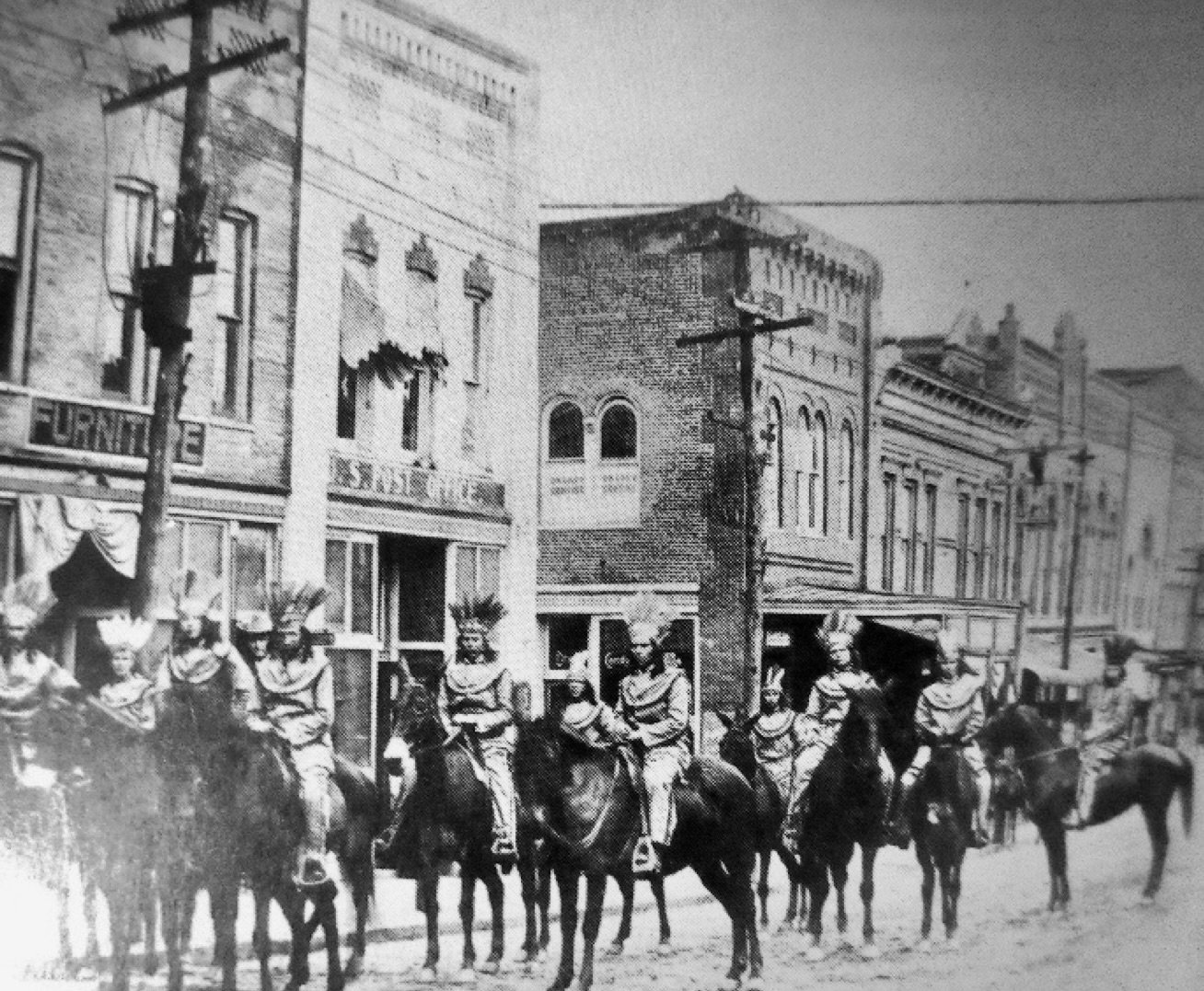
In the mid-1800s the “US Post Office” was located on the corner of Arch Street, next to a furniture business.
In 1891 the post office was moved again to the left wing of Planters and Merchants Bank—today housing “Enchanted Surroundings” and a barber shop. Postal boxes opened to the outside so customers could pick up their mail at any time. Later the post office moved to the northeast corner of Arch Street, but was destroyed by fire in 1906. Today’s post office was built in 1916 on the corner of Broad and North Main streets. It was upgraded in the late 1960s.
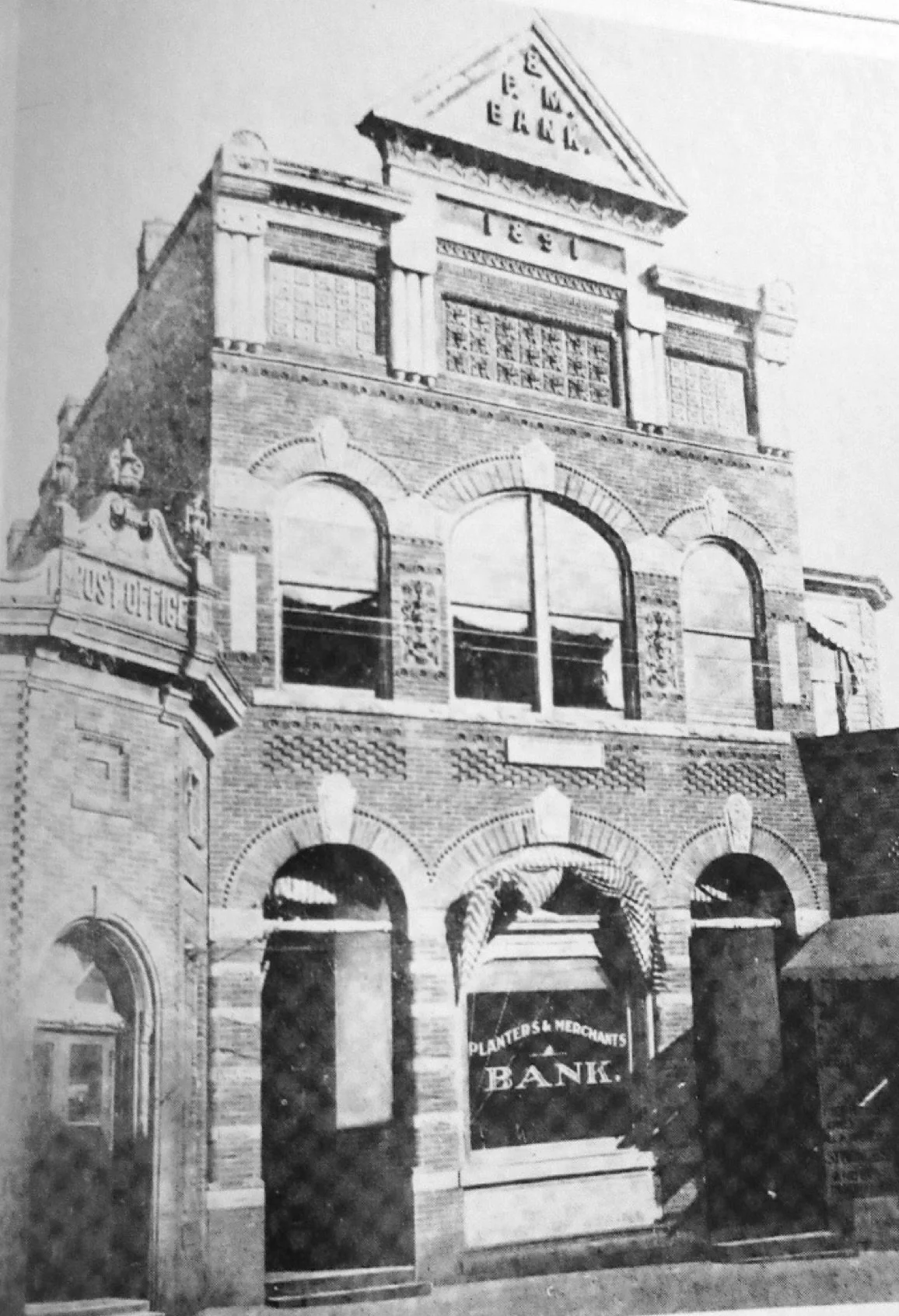
In 1891 the South Boston post office was located in a wing of Planters and Merchants Bank.
County Native Writes about
Ancestor in Continental Army
Halifax County native Anne Mills Sizemore, now residing in Missouri, wrote the following article about a relative, Benjamin Abbott, who enlisted in the Continental Army on February 29, 1776. The following, a condensed version, was taken from information that appeared in the Winter edition of the Bulletin, Number 65.
By the mid-1750s, Benjamin Abbott, born in King and Queen County, Virginia in 1730, appeared in the “tithes” of Lunenburg County, a portion of which would become Halifax County in 1752. According to Ms. Sizemore, Abbott was a young frontiersman, a “tavern brawler” who hated to pay taxes. By the 1760s, however, he had become a respectable planter, had married, and the couple’s first son, Elisha (Ms. Sizemore’s ancestor) had been born. Abbott and his wife would have six more children.
Benjamin Abbott often served on county juries and was in charge of maintaining roads in his part of the county. Like other successful planters, Abbott became a large landholder, buying and selling property often, marking all deeds and documents with “B” as he remained illiterate.
On February 29, 1776, Abbott enlisted in the Continental Army as a corporal. His regiment, Captain Posey’s Company of the Rifle Regiment, was commanded by Colonel Daniel Morgan. Abbott was engaged in the Battle of Brandywine, Freeman’s Farm, Germantown, Saratoga and White Marsh. He was encamped at Valley Forge during the brutal winter of 1777-1778 where as one of Daniel Morgan’s sharpshooters, was tasked with targeting British Officers. He was discharged in mid-February 1778 and returned to his farm in Halifax County.
Abbott was among those who supplied beef and corn to General Greene’s soldiers who camped for a week in February 1781 after the Southern Army’s successful “Race to the Dan River.” In her article, Ms. Sizemore added that “as a slave owner, Abbott paid the 1783 Halifax County property tax, known as the Supply Tax, a portion of which was earmarked for support of the patriot cause.”
Benjamin Abbott died intestate in 1805 and the court appointed his widow Nancy to administer his estate. He had already sold his plantations to his children. Sons Joseph and Armistead moved with their families to Stokes County, North Carolina, but the rest of the Abbott children, including Elisha, and their families remained in Virginia. From a family of seven children, the author assumes many current families in Halifax County may trace their ancestry to this Revolutionary War patron.
Hyco Country Store—Lost but not forgotten

Donna Strange photo
(Excerpt taken from article in Fall 2021 Bulletin.)
Hyco country store, built in 1871 but demolished in 2018, was unusual for its abundance of architectural elements—details that would more likely be found on a stately family home. Thought to have been built by Joseph Edward “Ned” Ragland, is was operated as a general store until it closed in the early 1900s. The storefront was located close to a well-traveled country road, while the rear was in walking distance of the Hyco River, offering the merchant additional means to procure and transport goods.
Ragland had entered the mercantile business in Cluster Springs with William L. Owen. Later he formed a partnership, Ragland, Traynham & Company Mercantile Business operating in the Harmony community. When he decided to open his own business, he constructed Hyco Country Store using “refined architectural” elements. The front gabled-roof featured narrow boxed cornices with returns, a treatment Ragland repeated on the rear of the building.

Donna Strange photo
Brackets with pendants supported the front returns and the pent roof that ran atop the storefront windows and door. See detail below.

Donna Strange photo (detail)
Interior architectural elements such as crossetted window and door surrounds, panel doors, deep baseboards, decorative panels under the windows and an unusually wide winder stair, suggested that there were living quarters at the rear of the first floor and on the second floor.
Ragland’s brother, Major Robert L. Ragland, who founded the Slate Seed Company, may have used the basement or part of the building to store or package tobacco seed. Major Ragland’s nearby farm was the largest producer of tobacco seed in the world and following his death in 1893, his sons and William C. Slate operated the seed business. Slate married Major Ragland’s adopted daughter Fanny and following her death, married Ned Ragland’s daughter, Janie. Around 1900, the Hyco Country Store closed and the Slate Seed Company moved to South Boston.